.png)
.png)
Over the past 15 years—both professionally and personally—I have found myself consistently drawn to, and motivated by, three interconnected themes: a desire to repair connection, to preserve and platform culture, and to progress meaningful social change.
What follows is a reflection on what each of these elements means to me and why they matter; the questions I am currently asking within each; and the projects through which this work has taken shape.

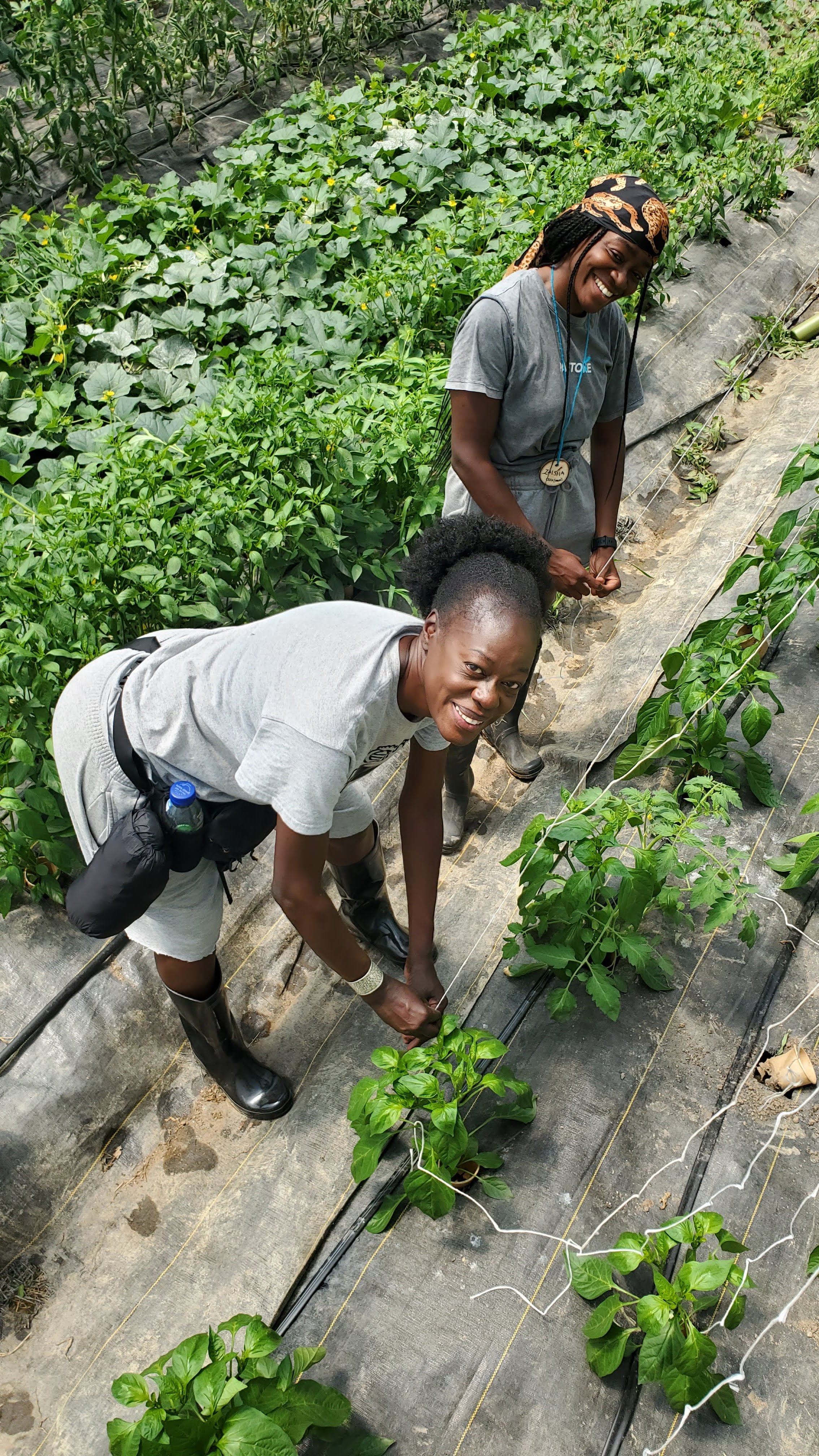
Connection is the active practice of better relating — to self, one another, the land we occupy, our ancestors, future descendants, and the spiritual realm — in ways that create meaning, responsibility, and belonging. It is where everything begins.
By deepening our relationship with the material and immaterial worlds we inhabit, we root ourselves in purpose and draw on the life force that sustains all we do.
The ways this shows up in my work:
At the moment, I'm asking: what becomes possible when radical relationships become grounds for resistance, when we find alternative ways of organising community and economy — and when we treat the preservation of and reconnection to ancestral and indigenous knowledge not as a means of urgent social, spiritual and ecological repair?
.png)
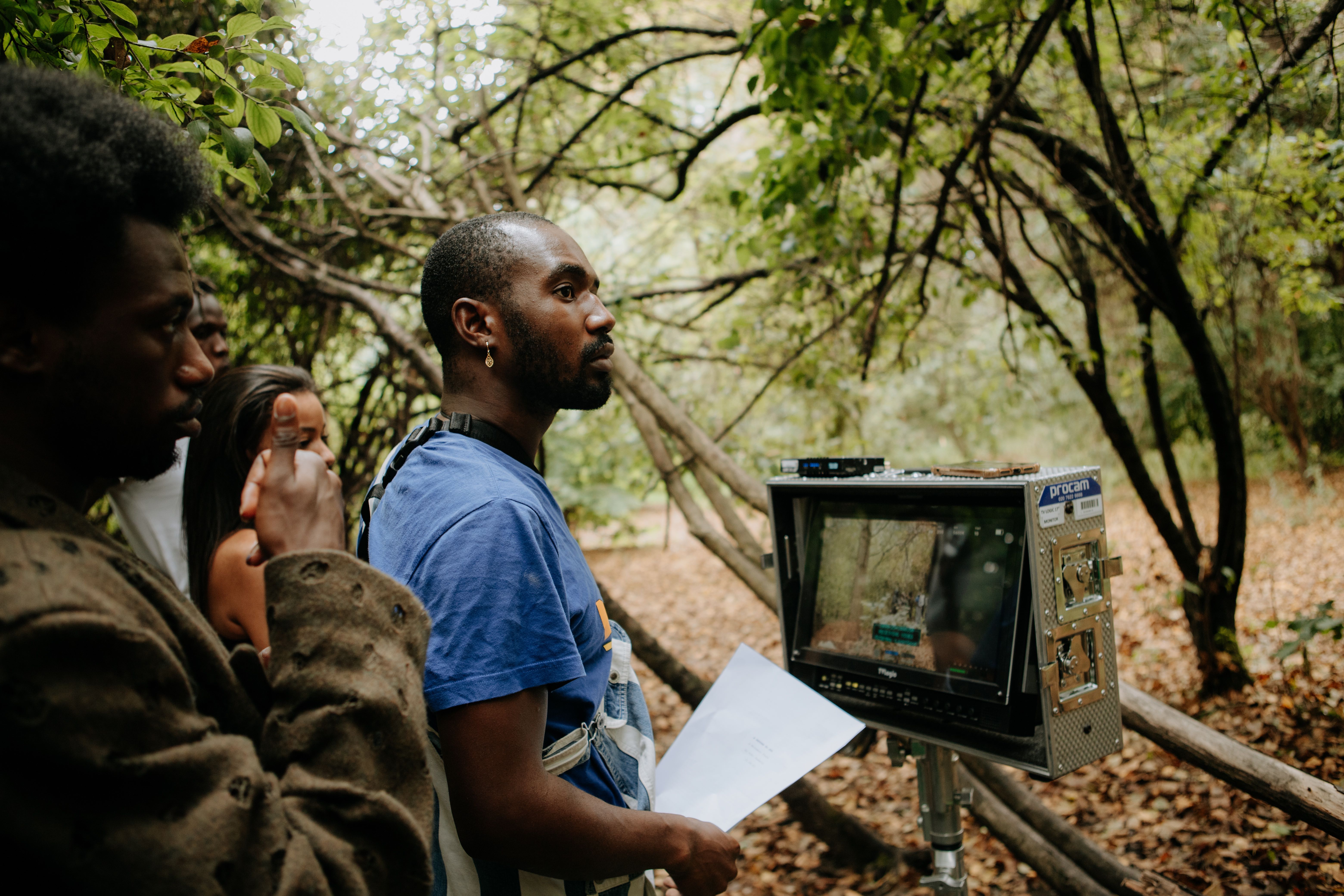
Culture is the rituals of understanding, expression, and celebration through which communities make meaning together — and the most powerful force I know for carrying what connection holds into the world.
It is where the felt becomes visible. Where the inherited becomes alive. Through sound, colour, story, rhythm, and feeling, culture transforms private knowing into shared possibility — and becomes the medium through which a different world first becomes imaginable.
The ways this shows up in my work:
.png)

Change is the dissatisfied rumbling of there must be something better than this — and the slow, intentional pursuit of what that might be.
It is what connection demands and what culture makes imaginable. It is a layered practice — moving across the narrative and the structural, the visionary and the practical — asking us to shift the stories we tell about what is possible, redesign the systems that determine how we live, and do the inner work of understanding our own positionality and contribution to the world we inhabit.
The ways this shows up in my work:
Today I'm asking: what if the frameworks we need for change are not those constructed through human intelligence and reasoning—but instead can be found within ecological, spiritual, cultural or ancestral intelligence?