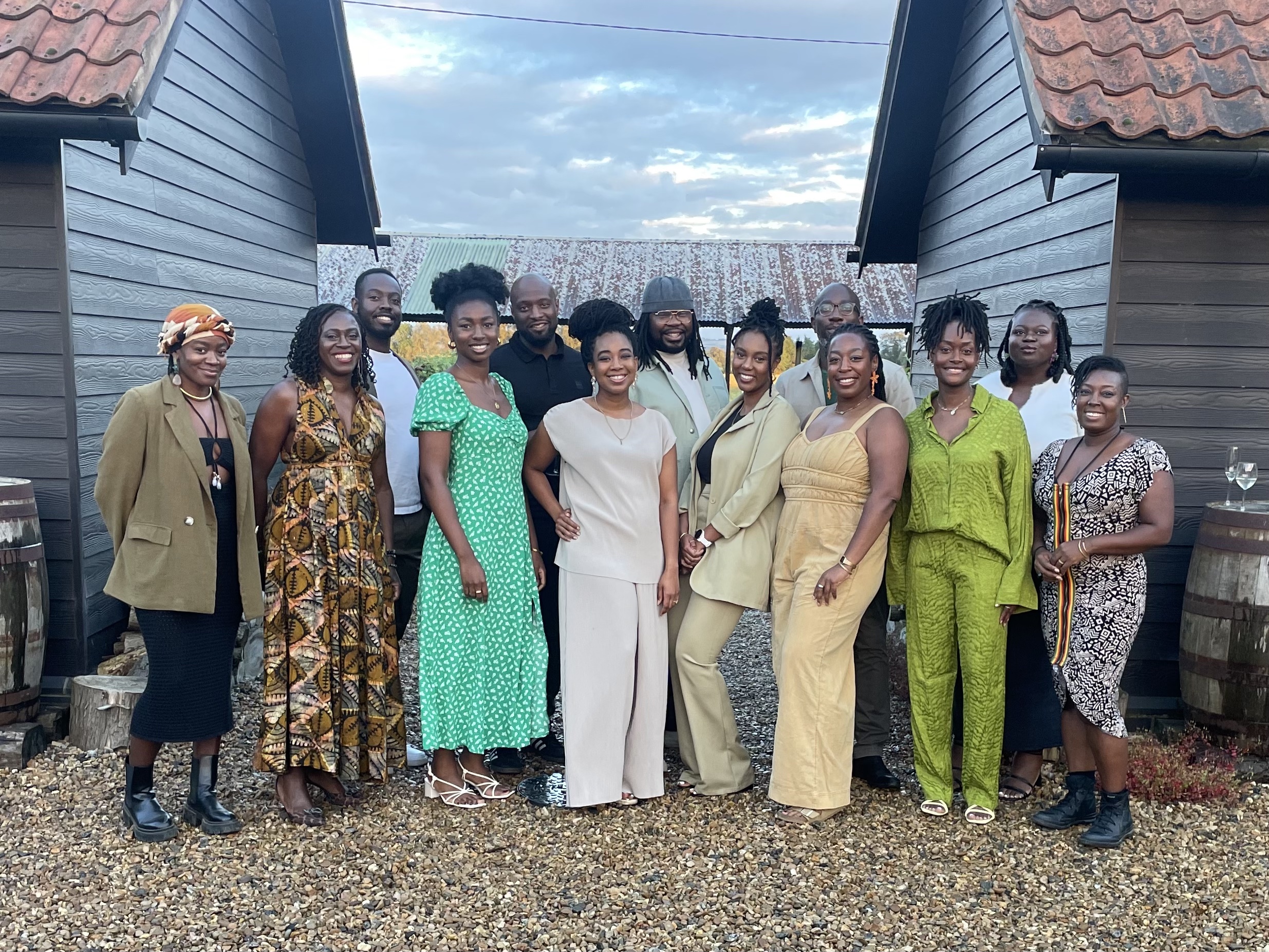
A Joyful Project
.jpg)
In short
Black Joy as an antidote to grief and inequity during COVID-19
ROLE
Project Lead
SKILLS
Cultural Production
Storytelling for Social Change
.png)
Black Joy as an antidote to grief and inequity during COVID-19
Project Lead
Cultural Production
Storytelling for Social Change
In response to COVID-19’s disproportionate impact on Black communities and the emotional labour placed on them during renewed global conversations on racial justice, Black Joy was conceived as a restorative, community-led intervention centring joy as a form of care, resistance, and equity. In my role as Director and Project Lead at Rooted by Design, I led a £96,000, six-month National Lottery Community Fund project combining research, co-design, live and digital events, a touring programme across three UK cities, an exhibition, and the award-winning short film Dear Black Child. Through participatory research we identified five expressions of Black joy - nature, connection, sound and movement, food, and intergenerational exchange - which shaped workshops, community gatherings, and creative outputs designed with intersections within Black communities, to ensure accessibility and relevance. The project engaged over 225 people, sparked dialogue around protecting and investing in Black joy, gained international recognition through the film’s festival success and academic use, and secured a further £50,000 to continue developing joyful community spaces.
In the context of a global pandemic that was disproportionately killing Black people, alongside a racial justice movement that surfaced a wave of new conversations about systemic racism and demands for Black people around the world to be the teachers, Black people were exhausted. When the National Lottery Community Fund asked us what Black communities needed most in these times, our intuitive response was more moments of communal joy.
Across this six-month project, supported by a National Lottery Community Fund budget of £96,000, and as part of my role as Director at Rooted by Design, I led the design and delivery of the following activities:
Intial conversational research surfaced five themes representing Black Joy: in nature, in connection, in sound and movement, in cultural food, and across generations. These themes grounded each aspect of the project.
Co-design with a cross-section of participants across Black communities ensured accessibility in language and activities for both online and offline experiences.
Hosted by writers Roger Robinson and Tobi Kyeremateng, we held five simultaneous partner-led workshops covering the five themes of Black Joy:
We hosted events across 3 cities, in partnership with local community & cultural groups.
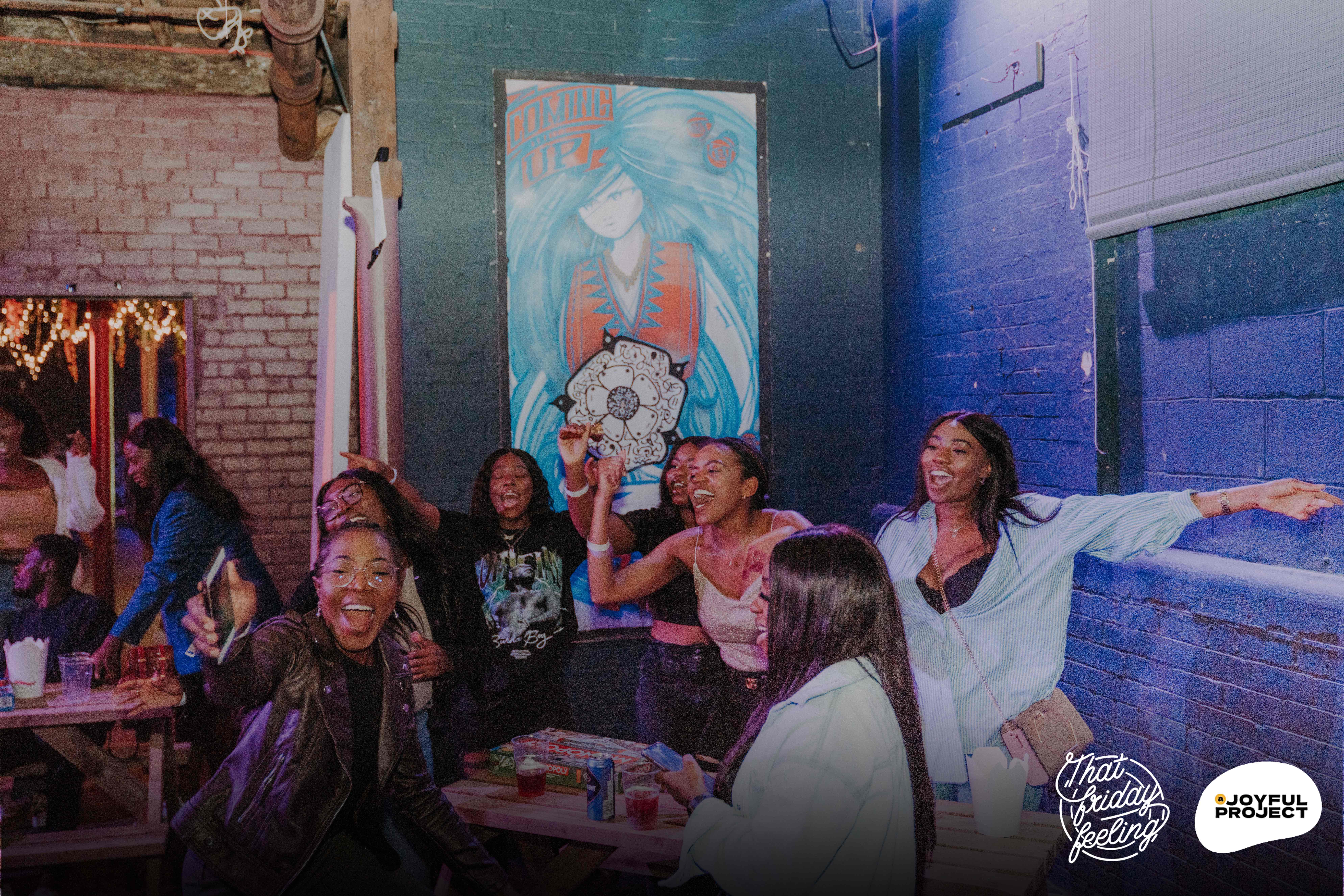
Leeds - Joy in sound and movement - As the home of the first West Indian Carnival in Europe, organised by British Caribbeans, Leeds has a rich history of Black joy expressed through sound and movement. We partnered with That Friday Feeling to produce an intimate social event celebrating local musicians, creating a moment of respite and joy in the face of daily challenges.
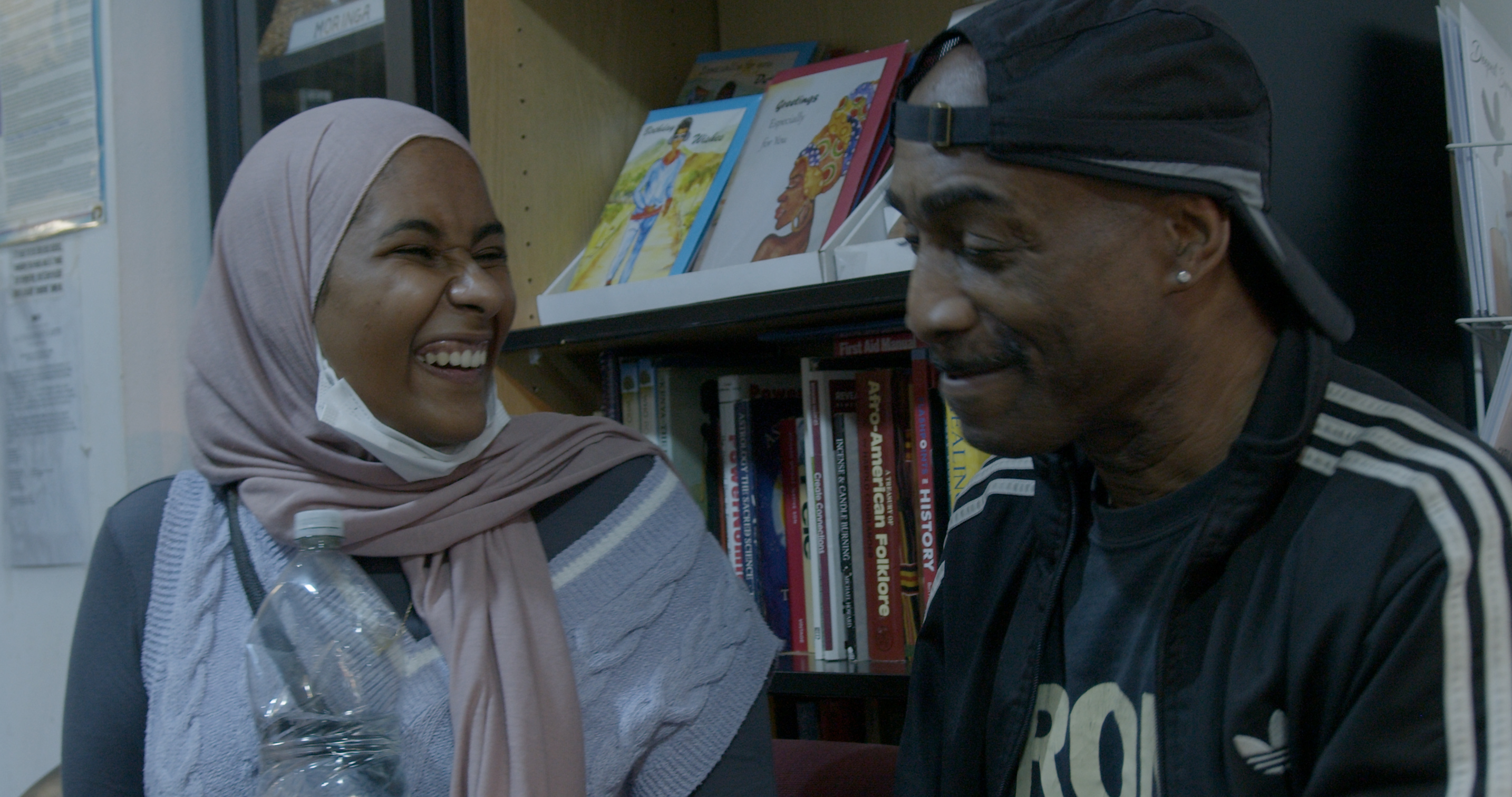
Manchester - Joy across generations - We partnered with Coffee Nubia, an intergenerational Black community space and coffee shop in Moss Side, to facilitate dialogue about where joy is found across generations. We talked, laughed, ate, and rested in the joy that comes through intergenerational connection
Bristol - Joy in Cultural Foods - we partnered with Migrants Beureu to co-hosta collective supper club for 14 Black community leaders, with food catered by Houria, a Bristol-based organisation dedicated to hiring and training female survivors of slavery through Pan-African vegan cuisine.

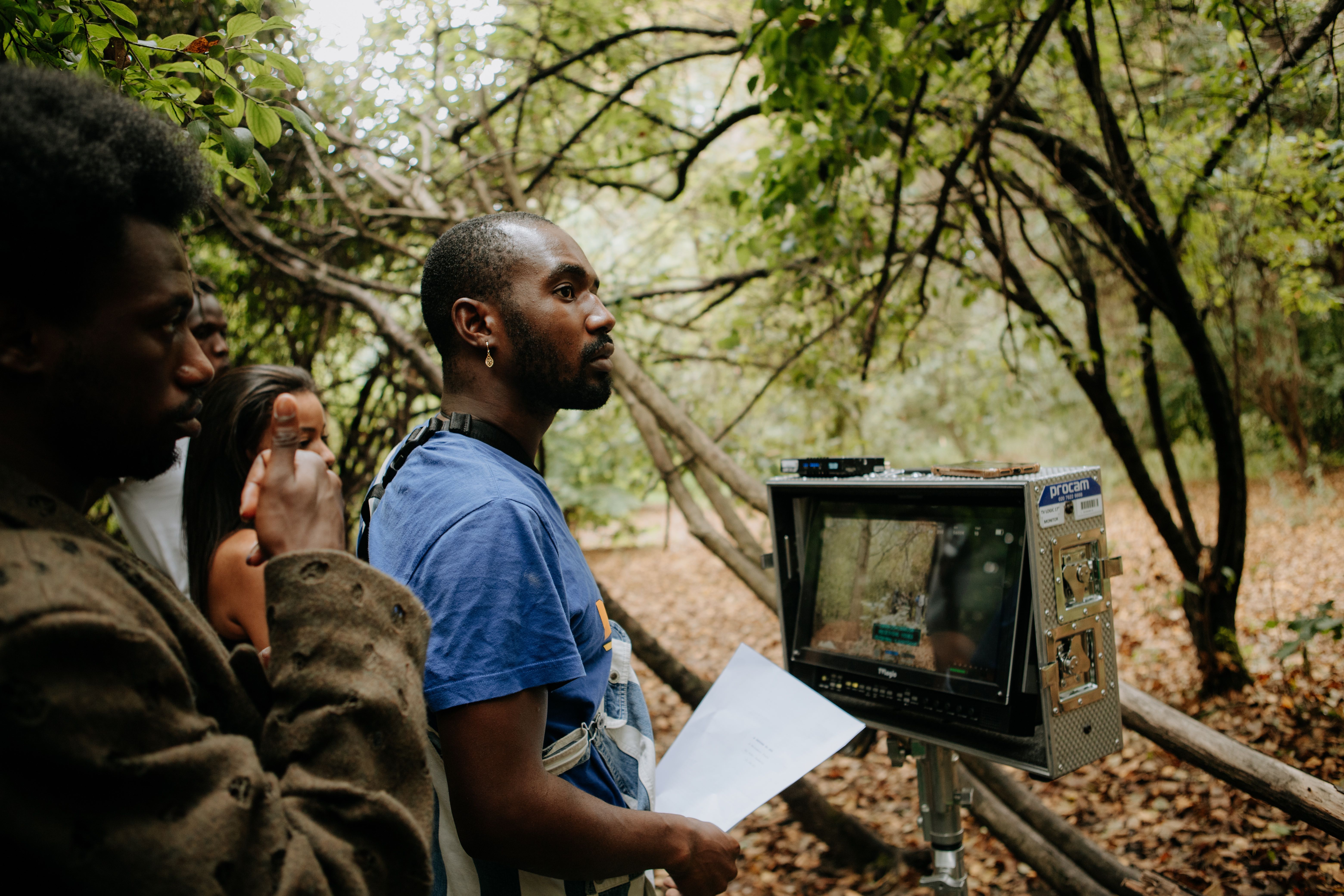
I commissioned Director Toni Onabolu to create a fictional short film centring the themes and insights from the research and project.
The film follows a Black child on a quest for joy who encounters a mysterious spirit and a high priestess with her merrymakers in an enchanted forest. It serves as a love letter to the inner child of Black people and the practice of returning to joy.
Dear Black Child Trailer & Film Poster

BTS Shots by Karis Beaumont
Press from the film:
We premiered the film at Vue Leicester Square, showcased project learnings through an exhibition, and held a panel discussion and keynote, followed by a shared celebration of cultural food, music, and dance.
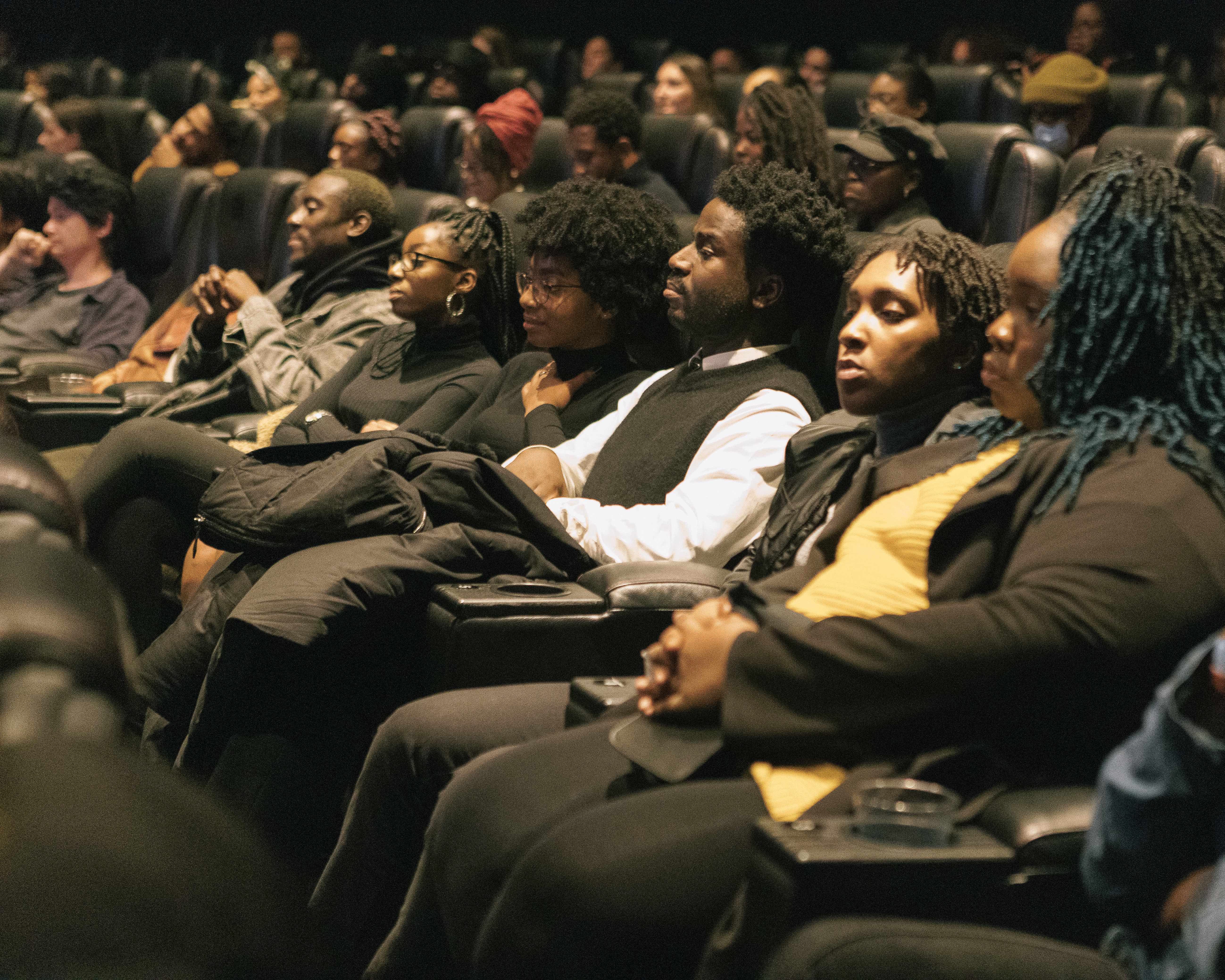
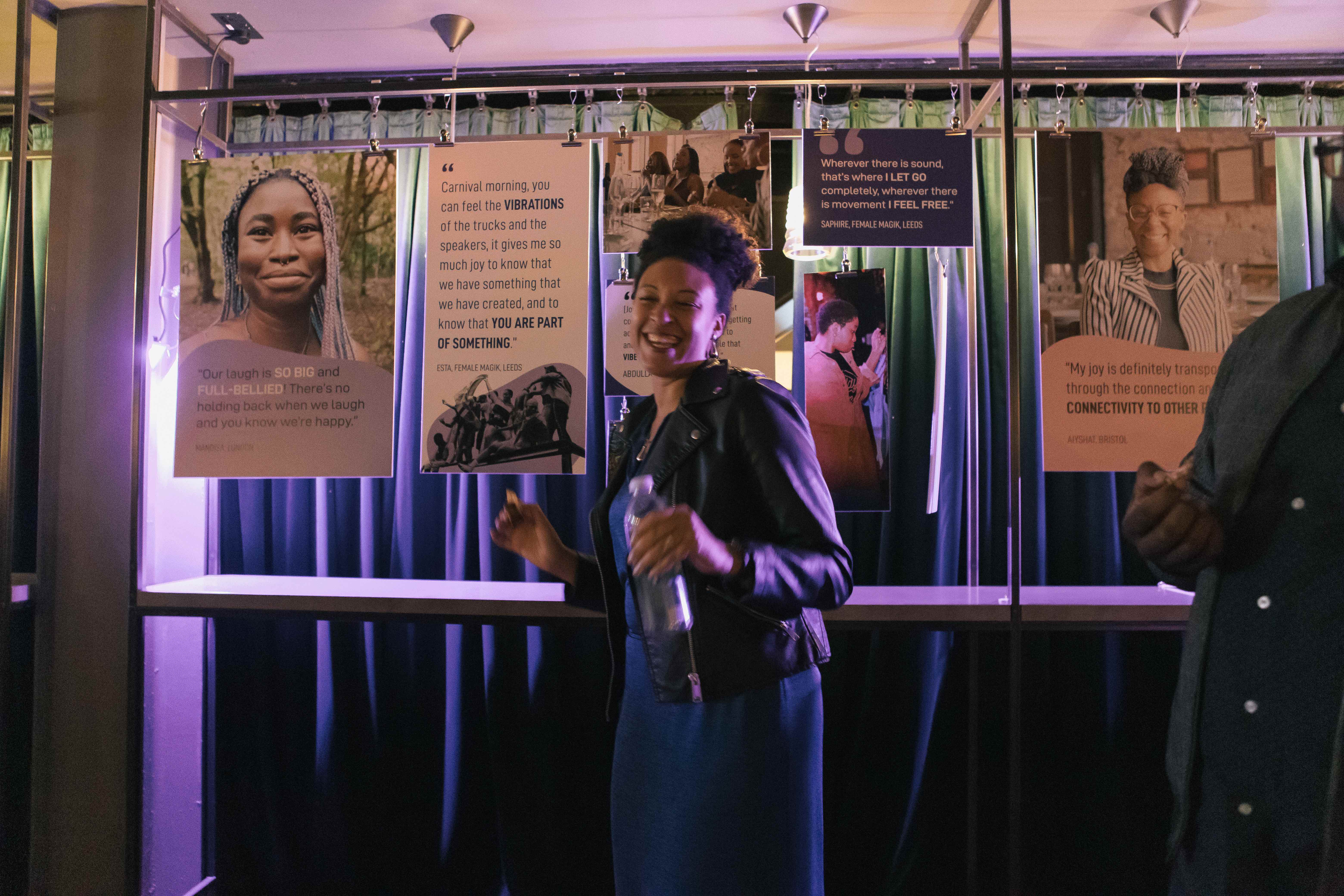
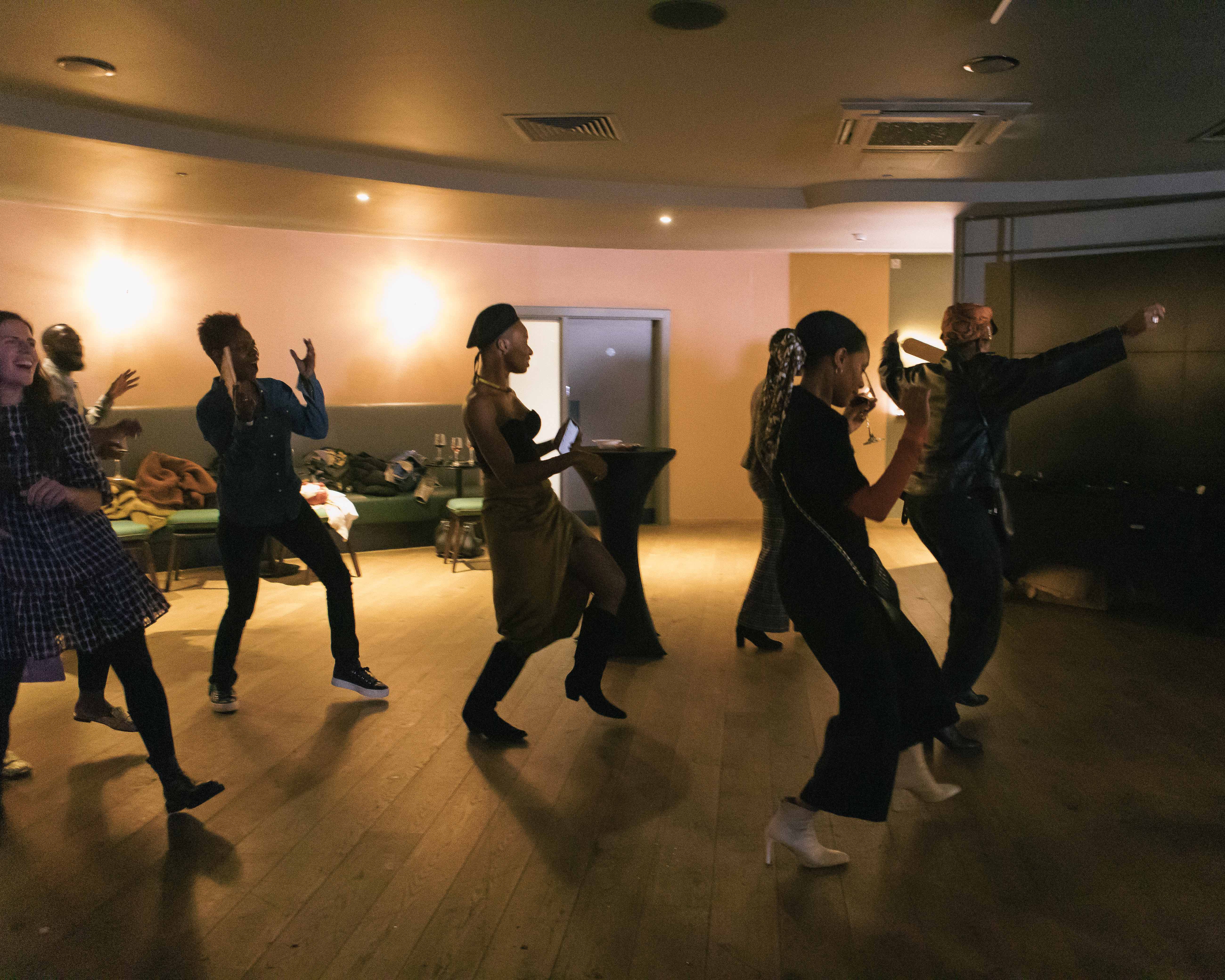
A total of 225 people benefited from the Black Joy events across the UK (both physical and digital), surfacing important dialogue about protecting and investing in Black joy.The film Dear Black Child, directed by Toni Onabolu, gained strong press coverage, won a Cannes Indie Shorts award, and has been incorporated into a university curriculum in North America. We also secured an additional £50,000 from Lankelly Chase to further explore the creation of joyful community spaces.